This post may contain affiliate links. I may earn a commission at no extra cost to you.
Choosing an lab grown vs natural diamond engagement rings is one of the most meaningful purchases a couple will make. But today, many buyers face a new question before they even start shopping:
Should you choose a natural diamond or a lab grown diamond engagement ring?
Both options can be stunning, durable, and symbolic of commitment. However, they differ in origin, price, rarity, and how buyers perceive their long-term value.
In this guide we’ll break down the real differences between lab grown and natural diamonds, so you can decide which one fits your priorities, budget, and vision for the perfect proposal.
What Is a Natural Diamond?
Natural diamonds are formed deep inside the Earth under intense heat and pressure over billions of years. They are mined from the earth and then cut and polished to become the diamonds used in fine jewelry.
Because of their natural formation process, each stone carries a sense of rarity and history.
Many couples prefer natural diamonds because they represent something ancient, rare, and timeless.
If you’re exploring classic engagement ring options, you can browse modern styles here:
Natural Diamond Engagement Rings
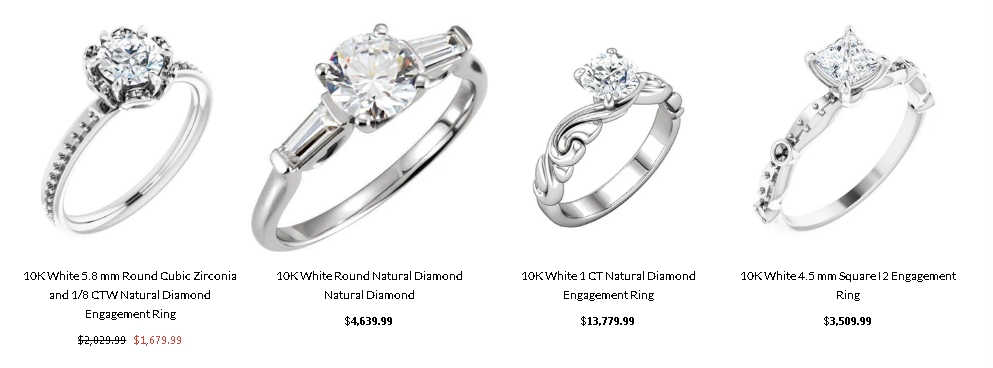
These collections typically include:
- solitaire engagement rings
- vintage inspired designs
- halo diamond rings
- modern minimalist settings
Natural diamonds remain the traditional choice for engagement rings, especially for buyers who value rarity and long-term symbolism.
What Is a Lab Grown Diamond?
Lab grown diamonds are real diamonds, but they are created in a laboratory using advanced technology that replicates the natural diamond formation process.
The result is chemically, physically, and visually identical to a mined diamond.
The biggest difference is how they are created.
Instead of forming underground for billions of years, lab diamonds are produced in controlled environments over a few weeks.
Because of this, they are usually significantly more affordable.
You can explore different lab diamond styles here:
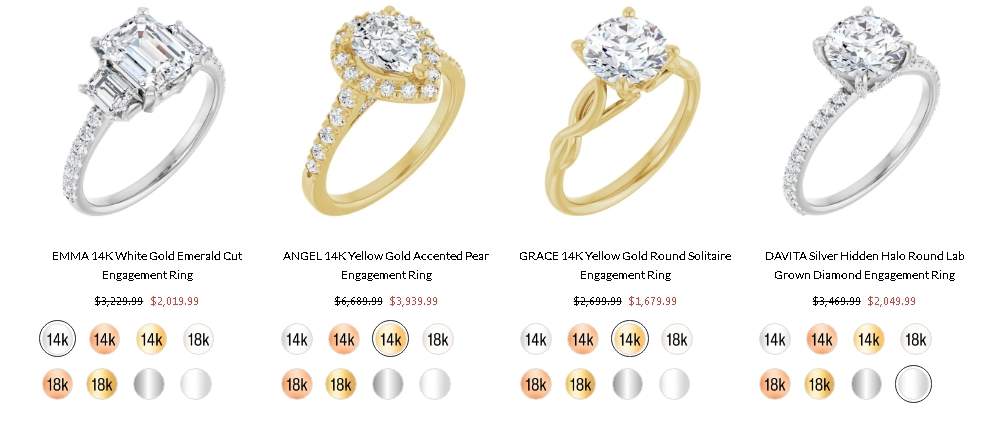
Many couples choose lab diamonds because they allow them to purchase:
- a larger center stone
- a more intricate setting
- or a higher clarity diamond within the same budget.
Lab Grown vs Natural Diamond: Key Differences
Here’s a simple comparison to help understand the main distinctions.
Origin
Natural Diamonds
Formed in the earth over billions of years.
Lab Grown Diamonds
Created in a lab using high-pressure technology.
Price
Lab diamonds are typically 30% to 60% less expensive than natural diamonds of similar size and quality.
This makes them appealing for couples who want a bigger diamond without increasing their budget.
Rarity
Natural diamonds are considered rare because their formation is a natural geological process.
Lab diamonds can be produced when needed, which means they are not rare in the same way.
Appearance
To the naked eye, lab grown and natural diamonds look identical.
Even trained jewelers need specialized equipment to distinguish them.
Both types are graded using the same 4Cs system:
- Cut
- Color
- Clarity
- Carat
Long Term Value
Natural diamonds historically hold stronger resale and collector value due to rarity.
Lab diamonds are usually chosen more for design, size, and affordability rather than long-term investment value.
For many couples, however, resale value isn’t the priority — the emotional meaning is.
Why Many Couples Still Choose Natural Diamonds
Natural diamonds remain the most traditional engagement ring choice for several reasons.
Many buyers appreciate:
• the geological rarity
• the history of the stone
• the emotional symbolism of something formed over billions of years
For proposals that emphasize timeless elegance, natural diamond rings continue to dominate.
Explore Natural Diamond Engagement Rings
These collections often include classic settings that never go out of style.
Why Lab Diamonds Are Becoming So Popular
Lab grown diamonds have seen rapid growth in popularity, especially among younger couples.
The main reasons include:
• more affordable pricing
• ability to buy larger diamonds
• modern jewelry design trends
• interest in alternative sourcing
For many couples, lab diamonds provide the same beauty at a more accessible price point.
Browse Lab Diamond Engagement Rings
Many modern engagement ring collections now feature both lab and natural options.
Which One Should You Choose?
There isn’t a single right answer.
The best choice depends on what matters most to you.
Choose a natural diamond if you value:
- rarity and tradition
- long-term symbolism
- classic engagement ring heritage
Choose a lab grown diamond if you prefer:
- a larger diamond for the budget
- modern diamond technology
- maximizing design and size.
Both options can create an unforgettable engagement ring.
Final Thoughts
At the end of the day, the most important thing about an engagement ring isn’t where the diamond comes from.
It’s the moment it represents.
Whether you choose a natural diamond with billions of years of history or a lab grown diamond crafted with modern technology, the meaning behind the ring is what truly matters.
If you’re comparing options, exploring different styles can help you decide what feels right.
Browse Natural Diamond Engagement Rings
Explore Lab Diamond Engagement Rings
Seeing the designs side by side often makes the decision much easier.